

Buccal Fat Removal (Cheek Reduction)
Buccal fat removal is a personalised facial contouring procedure designed to reduce excess fullness in the lower cheeks and create a more defined facial appearance. The goal is not simply to make the cheeks smaller, but to create natural-looking definition while maintaining facial balance.
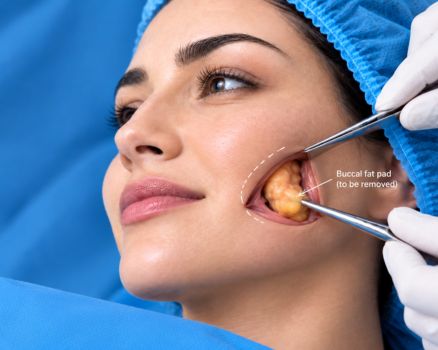
What Is Buccal Fat Removal?
Buccal fat removal is a facial contouring procedure that involves reducing a portion of the buccal fat pad located within the cheek. The procedure may be considered in patients who have persistent fullness in the lower cheek area despite maintaining a stable body weight.
Because facial fullness differs from person to person, treatment should be carefully planned according to facial proportions, cheek structure, skin quality and the patient's desired level of definition.
During consultation, the facial profile and areas of fullness are assessed to determine whether buccal fat removal is appropriate and whether additional facial contouring procedures may be relevant.
Why Do Patients Consider Buccal Fat Removal?
Facial fullness can have different causes. Buccal fat removal may be considered when fullness in the lower cheek contributes to a rounder or less defined facial appearance.
Full Lower Cheeks
Some patients have naturally fuller lower cheeks due to the size and position of the buccal fat pad.
Round Facial Appearance
Persistent cheek fullness may contribute to a softer, rounder facial appearance even when body weight is stable.
Limited Cheek Definition
Reduction of selected buccal fat may help improve definition between the cheek and lower face in suitable patients.
Facial Contouring
The procedure may form part of a broader facial contouring plan depending on the patient's anatomy and goals.
Stable Facial Fullness
Patients who continue to experience cheek fullness despite maintaining a relatively stable weight may seek assessment.
Desire for Definition
Some patients seek a more defined facial appearance while still maintaining natural-looking proportions.
Buccal Fat Removal Is Not One Approach for Everyone.
The amount of buccal fat that may be removed depends on facial anatomy, existing cheek volume, skin quality, facial proportions and the patient's expectations. Treatment should therefore be individually planned.
Discuss Your ConcernsConservative Buccal Fat Reduction
A carefully selected amount of buccal fat may be reduced when the goal is subtle cheek refinement rather than significant facial hollowing.
Facial Contouring
Buccal fat removal may be considered as part of a broader facial contouring plan when additional areas require assessment.
Cheek Definition
Treatment planning may focus on creating a more defined transition between the cheek and lower facial contours.
Combined Facial Procedures
In selected patients, buccal fat removal may be discussed alongside other facial procedures after detailed assessment.
How Buccal Fat Removal Is Planned.
Careful planning is important because excessive removal of facial fat may affect facial fullness and future appearance. The treatment approach is therefore based on individual anatomy and realistic expectations.
Consultation
Discuss your concerns, expectations and desired level of facial definition.
Facial Assessment
Facial proportions, cheek fullness, skin quality and overall facial structure are assessed.
Treatment Planning
The appropriate degree of reduction and expected outcome are discussed before surgery.
Procedure & Follow-up
The procedure is followed by recovery guidance and postoperative assessment.
Is Buccal Fat Removal Right for You?
Suitability depends on facial anatomy, cheek volume, skin quality, expectations and overall health. A personal consultation is necessary before deciding whether the procedure is appropriate.
You May Consider Buccal Fat Removal If...
- You have persistent fullness in the lower cheek area.
- Your facial fullness remains noticeable despite a relatively stable body weight.
- You would like more definition in the lower face.
- You understand that facial structure differs between individuals.
- You prefer a natural-looking improvement rather than excessive facial hollowing.
Important Considerations
- Not every patient with facial fullness is suitable for buccal fat removal.
- Excessive removal may create an overly hollow appearance.
- Facial appearance naturally changes with age and changes in body weight.
- Existing facial volume, skin quality and anatomy can influence the outcome.
- Benefits, limitations and potential risks should be clearly understood before surgery.
Buccal Fat Removal Recovery.
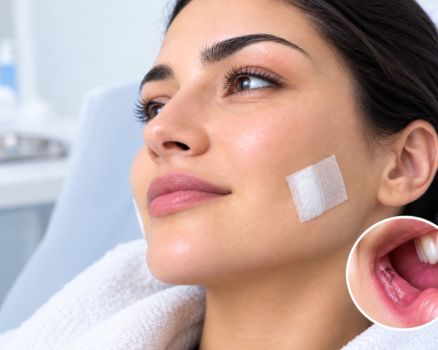
Recovery varies between individuals. Temporary swelling, cheek tenderness and changes in facial fullness can occur during the early healing period. The final contour develops gradually as swelling settles.
Swelling and tenderness may be present during the initial healing period. Following postoperative instructions is important.
Initial swelling generally begins to settle and facial contours become progressively clearer.
The cheeks continue to settle as deeper swelling resolves and the facial contour becomes more established.
Final appearance is assessed after sufficient healing. The timeline varies between patients.
Buccal Fat Removal Before & After.
Results are highly individual. The objective is to improve facial contour and definition while respecting the patient's natural facial proportions.


Buccal Fat Removal Result — Patient 01
Example result layout. Replace these images and description with actual patient photographs and appropriate clinical information.
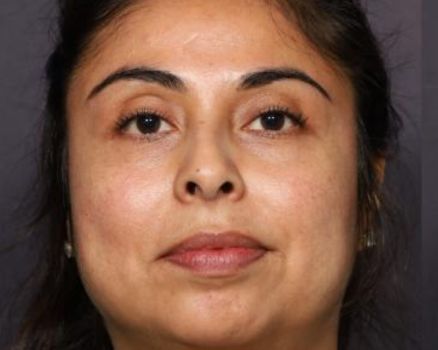
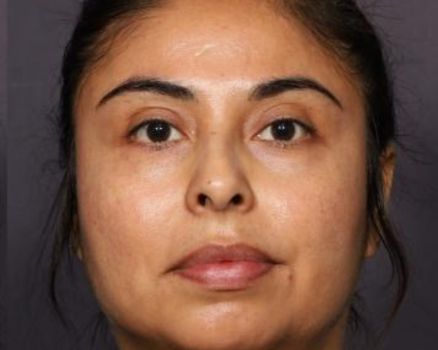
Buccal Fat Removal Result — Patient 02
Individual outcomes vary according to facial anatomy, treatment approach and the individual healing response.
Before-and-after photographs are intended only to demonstrate examples of outcomes in individual patients. Results vary, and the appearance achieved in one patient should not be interpreted as a guarantee of the same result for another patient.
Buccal Fat Removal FAQs.
Every patient is different. These answers provide general information, while procedure-specific advice should be based on individual consultation and assessment.
Considering Buccal Fat Removal? Start with a Personal Consultation.
Discuss your concerns with Dr. Ranganath, understand whether buccal fat removal is appropriate for your facial anatomy and receive an individualised treatment plan based on your goals.