

Blepharoplasty (Eyelid Surgery)
Blepharoplasty is a personalised surgical procedure designed to improve the appearance of the upper and/or lower eyelids by addressing concerns such as excess skin, puffiness and under-eye bags. The goal is a refreshed, natural-looking result that remains in harmony with the rest of the face.
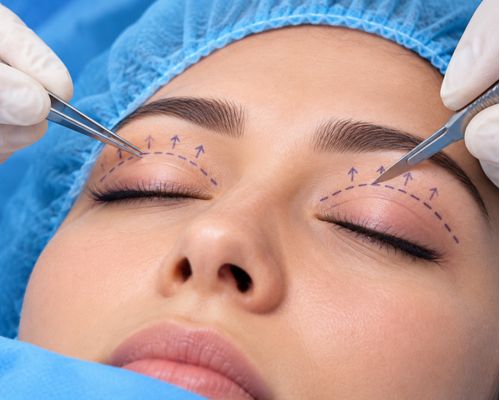
What Is Blepharoplasty?
Blepharoplasty, commonly known as eyelid surgery, is a surgical procedure used to improve the contour and appearance of the upper eyelids, lower eyelids, or both. Depending on the individual's anatomy and concerns, treatment may involve excess skin, fatty tissue, eyelid contour or selected structural features.
The eyelids are a highly visible part of the face. For this reason, careful assessment is important to preserve natural eyelid shape, facial expression and appropriate support while addressing the features that contribute to a tired or heavy appearance.
Upper and lower eyelid surgery can be considered separately or together, depending on the concerns identified during consultation. Functional considerations, including visual-field or eyelid-related issues where relevant, should also be assessed individually.
Why Do Patients Consider Blepharoplasty?
Every patient has different eyelid anatomy and facial proportions. Blepharoplasty may be considered for cosmetic refinement, functional concerns, or a combination of both.
Heavy Upper Eyelids
Excess upper-eyelid skin can create a heavy or hooded appearance and may change the visible eyelid contour.
Under-Eye Bags
Prominent lower-eyelid fat or contour changes may contribute to a puffy or tired-looking appearance.
Lower Eyelid Puffiness
Lower-eyelid fullness can be assessed in relation to the cheek, eyelid support and overall facial proportions.
Loose Eyelid Skin
Changes in skin elasticity may create folds or excess skin around the upper or lower eyelids.
Tired-Looking Eyes
Some patients feel that eyelid fullness or skin changes make the eyes appear persistently tired or aged.
Functional Concerns
In selected patients, upper-eyelid skin or other structural features may contribute to functional or visual-field concerns.
Blepharoplasty Is Not One Procedure for Everyone.
The surgical approach depends on eyelid anatomy, skin quality, fat distribution, facial proportions, previous surgery and the concerns being addressed. The exact technique is selected after examination and treatment planning.
Discuss Your ConcernsUpper Blepharoplasty
May address selected excess skin and upper-eyelid contour concerns while aiming to preserve a natural eyelid shape.
Lower Blepharoplasty
May address lower-eyelid bags, puffiness or selected contour concerns according to individual anatomy.
Upper & Lower Blepharoplasty
When appropriate, both eyelid areas may be treated as part of one individualised surgical plan.
Fat Repositioning / Contour Correction
In selected cases, lower-eyelid fat may be repositioned or managed as part of contour improvement rather than simply removed.
Revision Eyelid Surgery
Additional surgery after a previous eyelid procedure requires careful assessment of scarring, tissue availability and eyelid support.
How Blepharoplasty Is Planned.
Planning begins with a detailed assessment of the eyelids and the surrounding facial structures. Skin, fat distribution, eyelid position, facial proportions and patient expectations are considered before deciding on the appropriate surgical strategy.
Consultation
Discuss your concerns, expectations and the changes you would like to understand.
Eyelid Assessment
The upper and lower eyelids are assessed along with skin, fat, support and facial proportions.
Surgical Planning
Appropriate changes, limitations and the proposed technique are discussed before surgery.
Surgery & Follow-up
Surgery is followed by recovery guidance and scheduled postoperative assessment.
Is Blepharoplasty Right for You?
Suitability depends on eyelid anatomy, overall health, expectations and the nature of the change being considered. A personal consultation is necessary before deciding whether surgery is appropriate.
You May Consider Blepharoplasty If...
- You are concerned about excess or loose upper-eyelid skin.
- You have prominent lower-eyelid bags or puffiness.
- Your eyes appear persistently tired or heavy despite adequate rest.
- You want to understand whether eyelid surgery could improve your eyelid contour.
- You understand that improvement rather than absolute perfection is the realistic goal.
Important Considerations
- Treatment must be based on individual eyelid anatomy rather than another person's result.
- Bruising and swelling are common during early recovery and settle gradually.
- Natural facial asymmetry may remain after surgery.
- Dry-eye symptoms, eyelid position and other factors may influence treatment planning.
- The potential benefits, limitations and risks should be discussed before surgery.
Blepharoplasty Recovery.
Recovery differs from person to person and depends on the extent of surgery performed. Swelling, bruising, tightness and temporary discomfort can occur during the early phase of healing.
Swelling and bruising around the eyelids may be noticeable. Follow the postoperative instructions provided by your surgeon.
Visible swelling and bruising generally begin to reduce, while the eyelid tissues continue to settle.
Scars and eyelid contours continue to mature as healing progresses.
Final appearance is assessed after sufficient healing; the exact timeline varies between individuals.

Blepharoplasty Before & After.
Results are highly individual. The objective is to improve eyelid contour and facial freshness while respecting each patient's unique anatomy. Use only appropriately consented patient photographs.
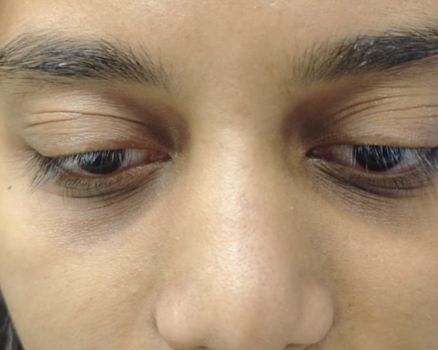
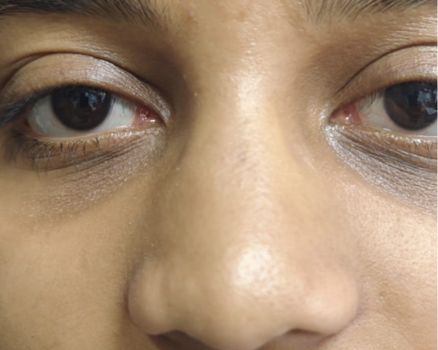
Blepharoplasty Result — Patient 01
Replace these placeholders with the corresponding consented patient photographs and approved clinical description.
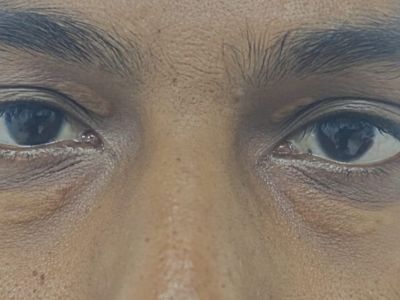
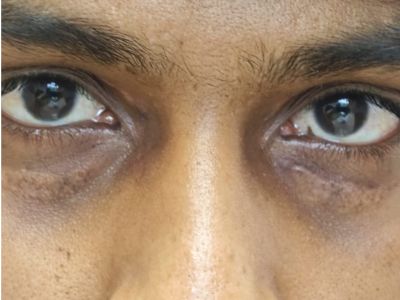
Blepharoplasty Result — Patient 02
Individual outcomes vary according to eyelid anatomy, procedure performed and healing response.
Before-and-after photographs are intended only to demonstrate examples of outcomes in individual patients. Results vary, and the appearance achieved in one patient should not be interpreted as a guarantee of the same result for another patient.
Blepharoplasty FAQs.
Every eyelid procedure is different. These answers provide general information, while procedure-specific advice should be based on an individual consultation and assessment.
Considering Blepharoplasty? Start with a Personal Consultation.
Discuss your concerns with Dr. Ranganath, understand what may realistically be achieved and receive a treatment plan based on your individual eyelid anatomy, facial proportions and expectations.