

Rhinoplasty (Nose Surgery)
Rhinoplasty is a personalised surgical procedure designed to improve the shape, proportion or structure of the nose while maintaining harmony with the rest of the face. The goal is not simply to create a smaller or different nose, but to achieve a balanced result that complements your individual facial features.
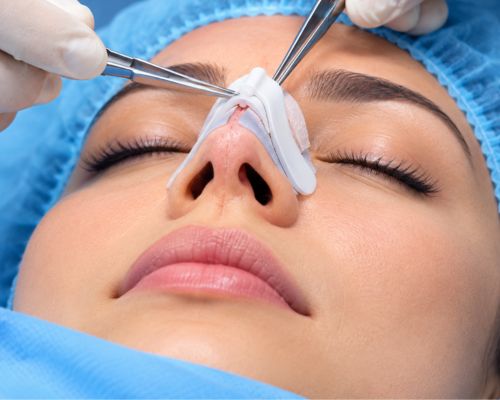
What Is Rhinoplasty?
Rhinoplasty, commonly known as nose surgery or a nose job, is a surgical procedure used to reshape or refine specific structures of the nose. Depending on the patient's concerns, treatment may involve the nasal bridge, tip, nostrils, overall projection, width, symmetry or internal structural support.
Because the nose occupies the centre of the face, even subtle changes can influence overall facial balance. For this reason, rhinoplasty requires careful analysis of not only the nose itself but also its relationship with the forehead, eyes, lips, chin and facial profile.
In some patients, rhinoplasty may also be combined with functional correction when structural issues affect nasal airflow or breathing. These considerations are assessed individually during consultation.
Why Do Patients Consider Rhinoplasty?
Every patient has different concerns and facial proportions. Rhinoplasty may be considered for cosmetic refinement, structural improvement or a combination of both.
Prominent Nasal Hump
A raised or prominent bridge can affect the side profile. Treatment may be planned to create a smoother and more proportionate nasal profile.
Broad or Bulbous Tip
The nasal tip may appear wide, rounded or poorly defined. Tip refinement can be planned according to skin thickness, cartilage structure and facial proportions.
Drooping or Projected Tip
Some patients feel that the nose projects too far forward or that the tip appears downward-facing, particularly when viewed from the side.
Wide Nose or Nostrils
Nose width and nostril shape may be assessed in relation to the eyes, cheeks, lips and overall facial width before considering surgical refinement.
Nasal Asymmetry
Natural asymmetry, previous injury or developmental differences may cause the nose to appear tilted, uneven or off-centre.
Functional Concerns
When nasal structure contributes to breathing difficulty, functional considerations may form part of the treatment assessment and surgical plan.
Rhinoplasty Is Not One Procedure for Everyone.
The surgical approach depends on anatomy, previous surgery, structural requirements, desired changes and the surgeon's assessment. The exact technique is selected only after examination and treatment planning.
Discuss Your ConcernsCosmetic Rhinoplasty
Focuses primarily on improving nasal shape, proportion, projection, definition or overall facial harmony.
Functional Rhinoplasty
May address structural features of the nose when they contribute to nasal obstruction or impaired airflow.
Primary Rhinoplasty
Refers to rhinoplasty performed on a nose that has not previously undergone cosmetic nasal surgery.
Revision Rhinoplasty
Used when additional surgery is being considered after a previous rhinoplasty. Revision procedures often require detailed structural assessment.
Tip Rhinoplasty
In selected patients, treatment may primarily involve nasal tip shape, rotation, projection or definition.
How Rhinoplasty Is Planned.
Rhinoplasty planning begins well before surgery. Facial analysis, nasal structure, patient expectations and possible functional issues all need to be considered before deciding on the appropriate surgical strategy.
Consultation
Discuss your concerns, expectations and the changes you would like to understand.
Facial & Nasal Assessment
The nose is evaluated in relation to facial proportions, profile, skin and internal structure.
Surgical Planning
Appropriate changes and limitations are discussed before developing an individualised treatment plan.
Surgery & Follow-up
Surgery is followed by structured recovery guidance and scheduled postoperative assessment.
Is Rhinoplasty Right for You?
Suitability depends on anatomy, health, expectations and the nature of the change being considered. A personal consultation is necessary before deciding whether surgery is appropriate.
You May Consider Rhinoplasty If...
- You are concerned about the size, shape or proportion of your nose.
- You would like to improve nasal tip, bridge or profile appearance.
- Your nose appears asymmetrical, deviated or changed after injury.
- Structural nasal concerns are affecting airflow.
- You understand that improvement rather than absolute perfection is the realistic goal.
Important Considerations
- Treatment must be based on individual anatomy rather than another person's nose.
- Swelling can take time to settle, and final definition develops gradually.
- Facial symmetry is naturally imperfect and cannot always be made completely symmetrical.
- Previous surgery, injury and skin thickness can affect treatment possibilities.
- The potential benefits, limitations and risks should be clearly understood before surgery.
Rhinoplasty Recovery.
Recovery differs from person to person and depends on the extent of surgery performed. Swelling, nasal congestion and temporary bruising can occur during the early phase of healing.
Patients may experience swelling, congestion and bruising. A nasal splint may be used depending on the procedure.
Visible swelling generally begins to reduce, though the nose will continue to heal and refine gradually.
Nasal definition continues to develop as deeper swelling gradually resolves.
Final appearance is assessed only after sufficient healing. The exact timeline varies depending on the surgery and individual response.

Rhinoplasty Before & After.
Rhinoplasty results are highly individual. The objective is to improve proportion and balance while respecting each patient's unique facial features and anatomy.
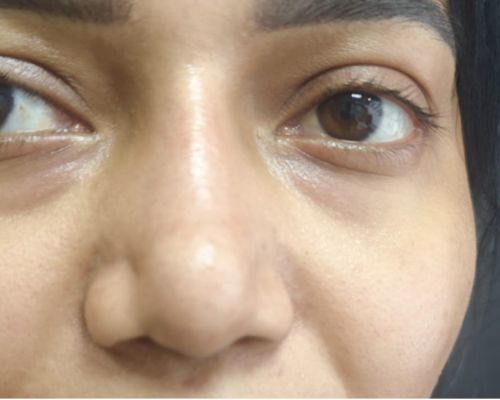
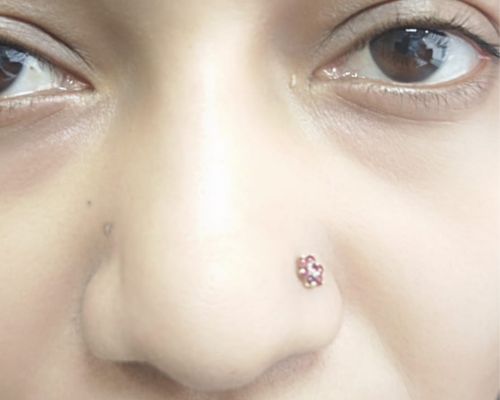
Rhinoplasty Result — Patient 01
Example result layout. Replace these images and description with actual patient photographs and appropriate clinical information.
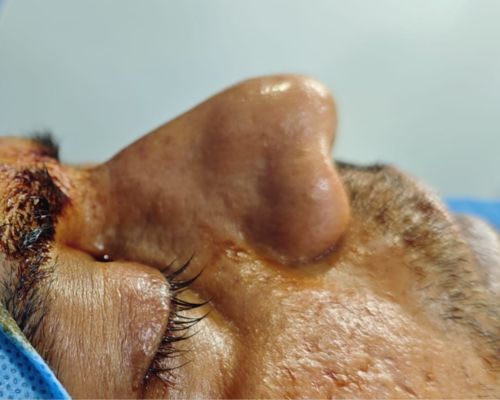
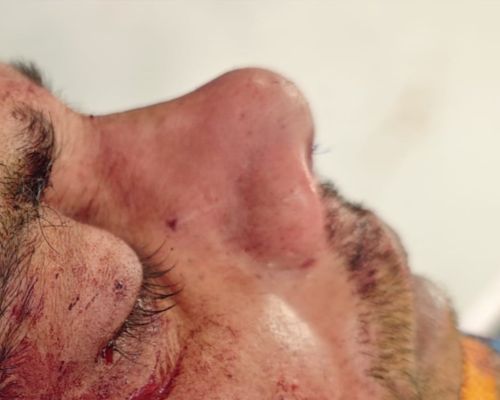
Rhinoplasty Result — Patient 02
Individual outcomes vary according to nasal anatomy, procedure performed and healing response.
Before-and-after photographs are intended only to demonstrate examples of outcomes in individual patients. Results vary, and the appearance achieved in one patient should not be interpreted as a guarantee of the same result for another patient.
Rhinoplasty FAQs.
Every rhinoplasty is different. These answers provide general information, while procedure-specific advice should be based on an individual consultation and assessment.
Considering Rhinoplasty? Start with a Personal Consultation.
Discuss your concerns with Dr. Ranganath, understand what may realistically be achieved and receive a treatment plan based on your individual facial proportions, nasal structure and expectations.